Bassano Reads Shakespeare
For many, Shakespeare is considered the most illustrious and fabled writer in the English language history. There are of course many great writers in English, but Shakespeare causes people to weep, and bellow with pride for he is unrivaled. But dare mention the idea that maybe he did not exclusively write everything attributed to him, maybe others wrote and put his name on the document. We know that Ben Johnson, Christopher Marlowe, and other playwriters of the period wrote over each other’s scripts. We know the life of the theatre then was just above the gutter and seen as dubious and vulgar. There are many names that float around as ghost writers during Shakespeare’s time, needing someone to lend their name for publishing. Women and royals were not allowed to publish, and Edward de Vere’s name is often mentioned as a royal who published using Shakespeare’s name. For Stratfordians the idea is heinous but this is not a new conversation the rumors have been circulating for centuries.
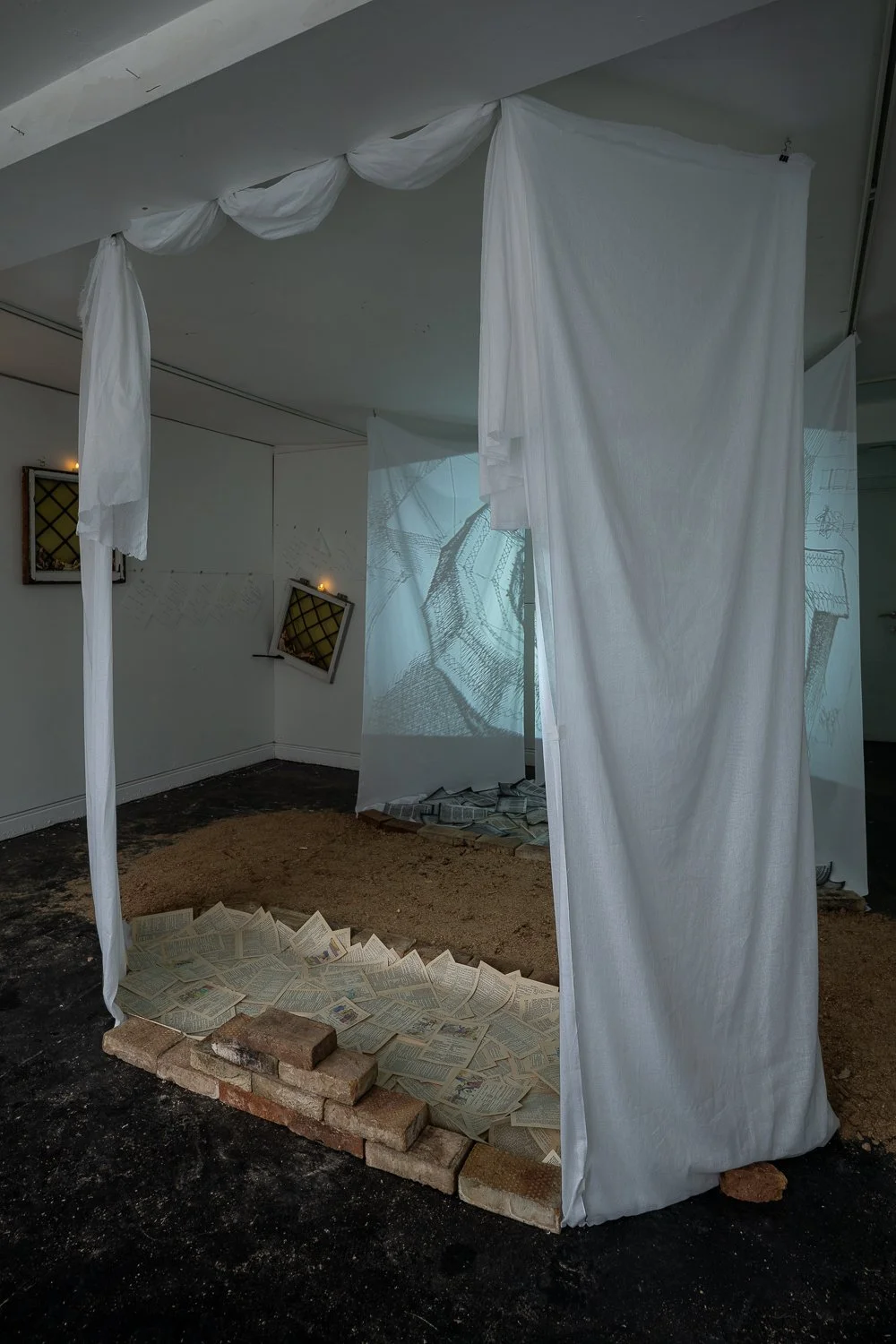
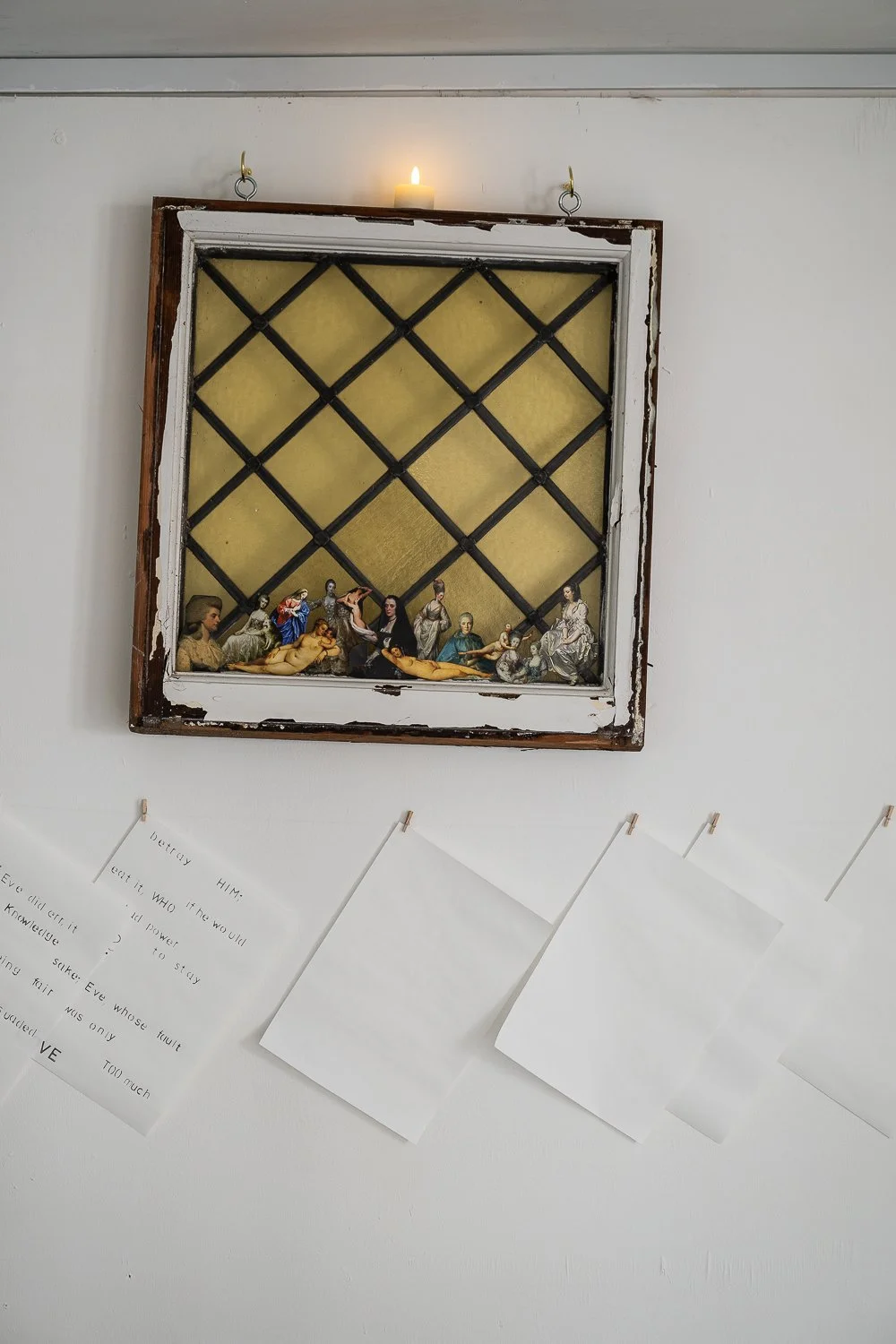
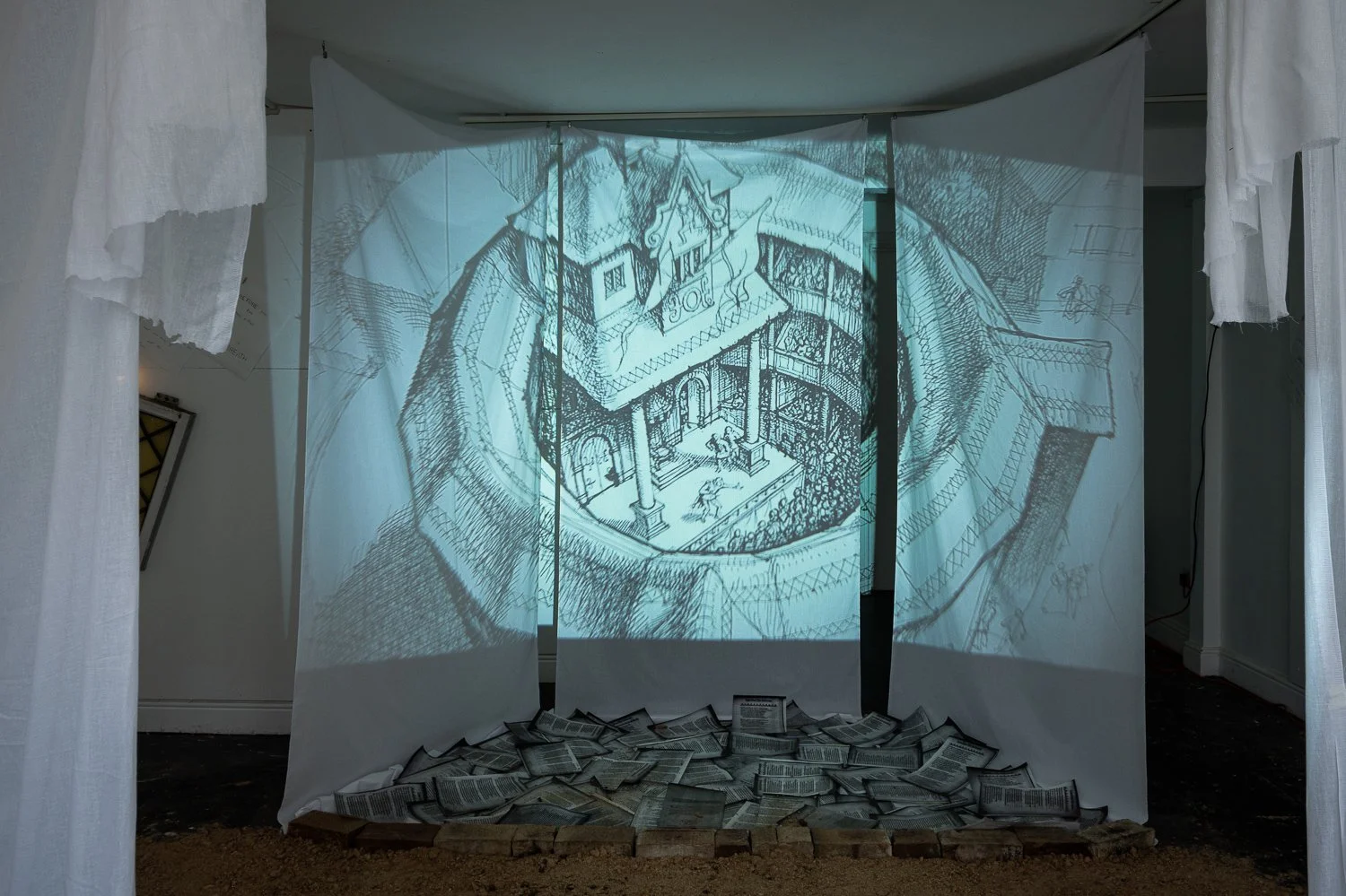
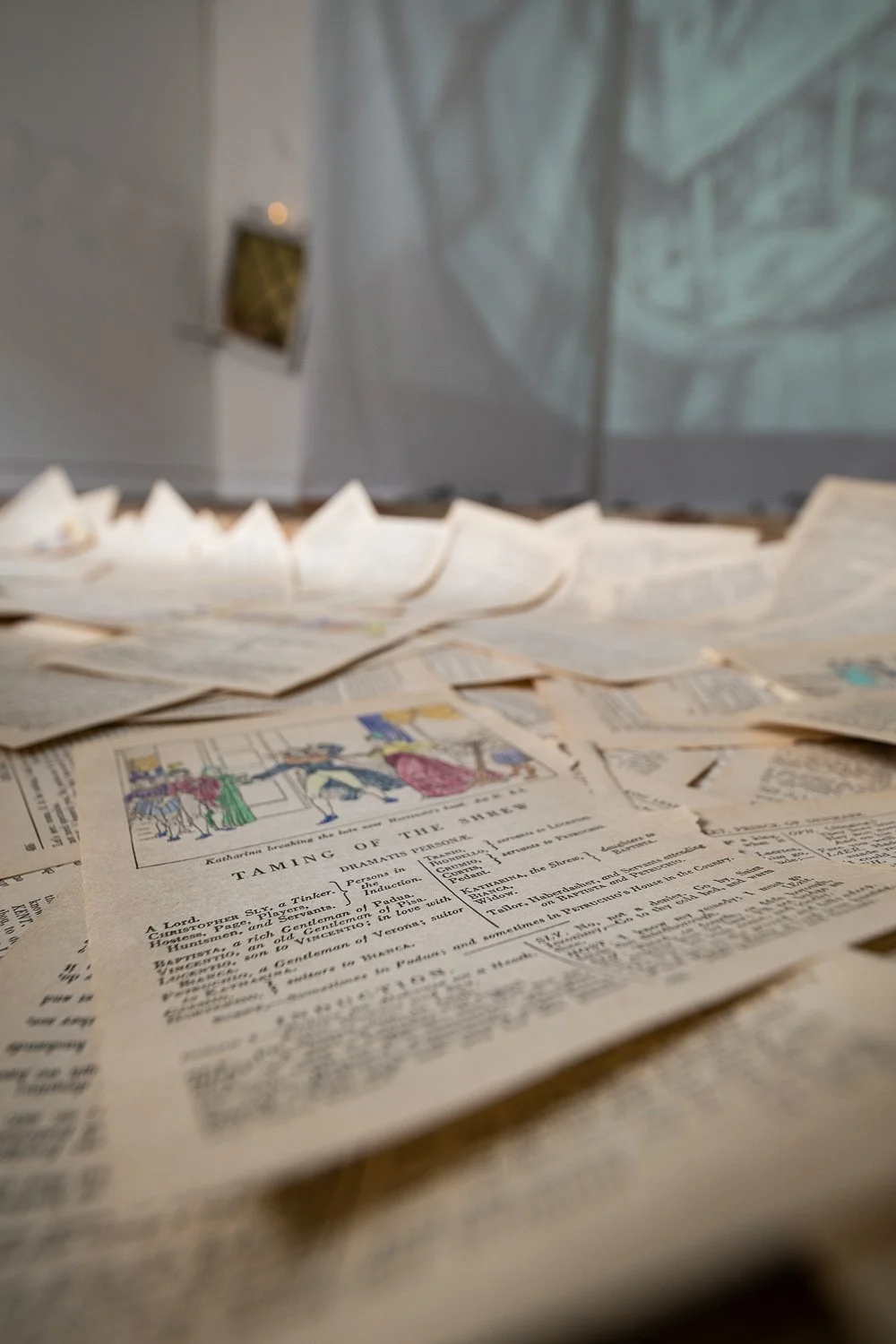
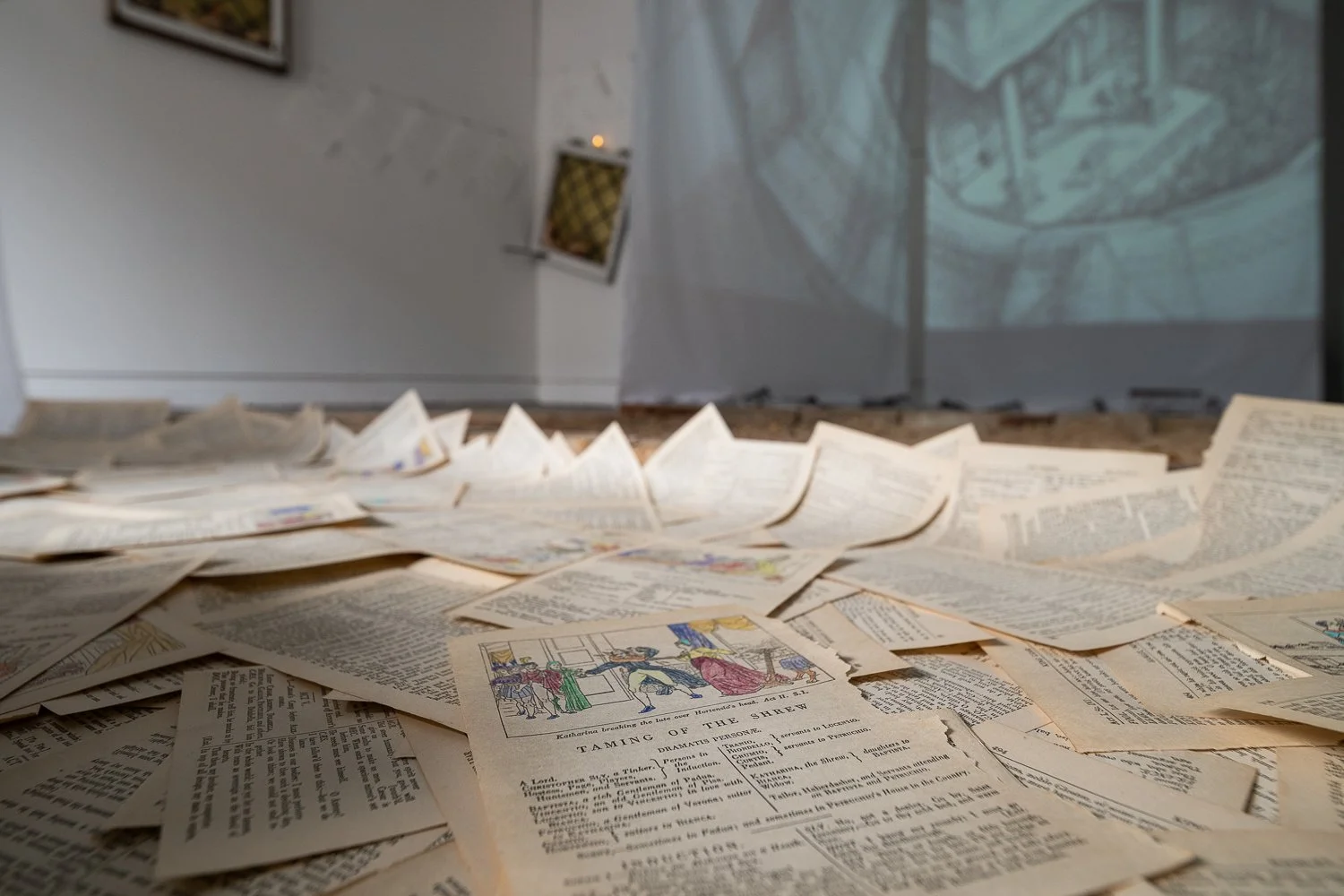
One name that comes up is a woman named Aemelia Bassano Lanier and she is the focus of the installation Bassano Reads Shakespeare. The installation artwork explores a variety of strange and unique coincidences in the lives of Bassano Lanier and Shakespeare, curiosities that are not easily explained. In the work I pose questions and listen for answers, but I also want to give agency and voice to Bassano Lanier beyond her relationship with Shakespeare. She is one of many women who succeeded in life against so many obstacles and boldly asked society to give her, her due. She is the first woman to publish a book in England, but she is not a household name. I hope Bassano Reads Shakespeare helps change that.
Dream Lovers Opera 1898
On February 14, 2025, an opera score I uncovered in the British Library whilst on my Fulbright at the Eccles Institute in 2022 once again came to life. The rarely performed but pivotal opera Dream Lovers written by Samuel Coleridge-Taylor and African American poet Paul Laurence Dunbar in 1898 was part of my research. The premier performance at Stanley Arts in south London in 2025 is believed to be the 5 or 6th performance in its 100 years. The reasons for so few performances of an opera written by a composer of Coleridge-Taylor’s fame are unknown but without the support of the Eccles Institute this opera would still be languishing in obscurity amongst the thousands of musical scores in the British Library collection.

Photograph of my images of the Dream Lovers musical score projected onto the stage during the February 15, 2025 performance of the opera at Stanley Arts, London. Click on image to view the entire performance one hour and 10 minutes long. Video by John Ramster
From the Ashes of Hate
The installation features a column of burned books, and projected video. The projected video highlights actual footage of the first Nazi book burning in May 1933. What most people don’t know is the first Nazi book burning was the destruction of material from The Institute for Sexual Studies in Berlin. The Institute created by Dr. Magnus Hirschfeld a Gay Jewish researcher on sexual health and Queer History. The Nazi youth ransacked the building, brutalized the staff, and beat to trans woman Dora Richter to death. The book that flanks the grainy black and white film clip is a book that was rescued from the ashes and is now in The Jean-Nickolaus Tretter Collection in Gay, Lesbian, Bisexual and Transgender Studies at The University of Minnesota. One of the largest and most comprehensive collection of Queer History worldwide.
The photograph of the rescued book is part of my photography series The Hidden Life of Books Chapter III: The Tretter Project Queer History.

Click on image to view video